Small Wins, Relentless Momentum on the Frontline

Today we dive into Lean Kaizen Bursts for Frontline Operations, the practice of focused, hour-or-less improvements that empower crews to eliminate waste exactly where value is created. Expect practical stories, hands-on tactics, and respectful problem solving that fit real shifts, not ideal schedules. Join in, try a burst this week, and tell us what changed for safety, quality, and flow.

Start Where Work Happens

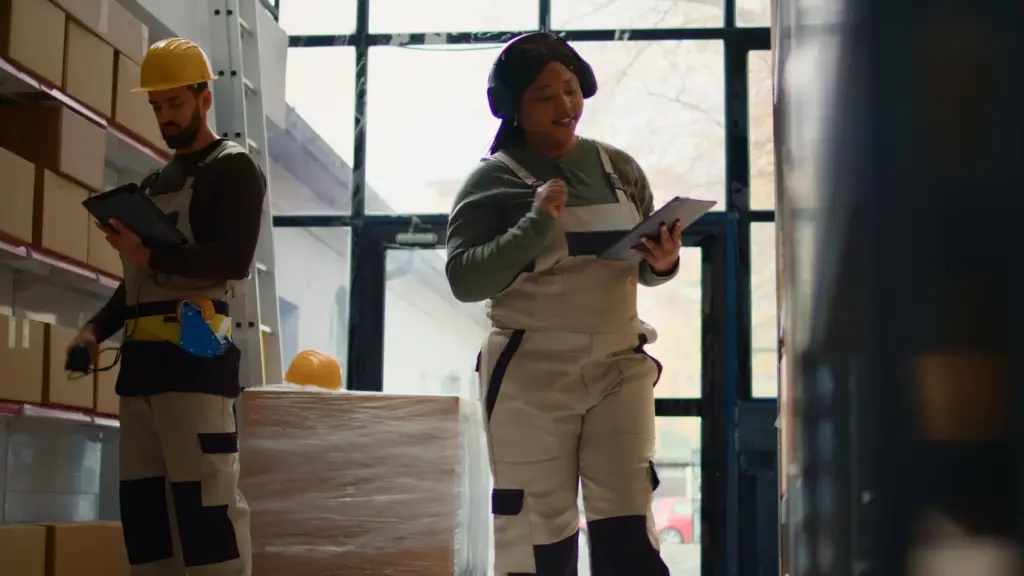
Nothing moves until we see the work. Standing at the gemba with operators, we watch hands, tools, and parts, ask better questions, and let facts, not opinions, guide action. When frontline voices shape experiments, improvements stick, morale rises, and customers feel immediate difference through safer, smoother, faster service.

Scoping Effective Bursts

Running the Burst

A well-run session respects cadence, roles, and facts. With a quick kickoff, timed observation, creative trial, and a tight review, the whole cycle fits inside real production. Operators lead discoveries, facilitators manage flow, and leaders remove blockers so the experiment actually happens before the next order arrives.

Five Roles, One Purpose

Five lightweight roles keep momentum: owner to define success, facilitator to guide cadence, recorder to capture facts, operator to lead change, and leader to clear obstacles. This clarity reduces cross-talk, accelerates decisions, and ensures accountability survives after the stopwatch stops and people switch back to production.

Timeboxed PDCA That Actually Fits a Shift

Structure the hour with practical timeboxes: ten minutes to set intent and baseline, ten to observe, thirty to trial, and ten to reflect. The constraint sparks creativity, discourages rabbit holes, and keeps the crew energized enough to repeat the process tomorrow without dread or fatigue.

Simple, Visible Metrics the Crew Owns

Choose measures the team can influence within days, not quarters. Post targets beside today’s numbers, celebrate green, and swarm red respectfully. The closer metrics live to the work, the faster learning happens, and the fewer excuses appear about systems, permissions, or faraway approvals slowing progress.

Making Waste Visible with Everyday Visuals

Simple visuals win. A hand-drawn spaghetti sketch, color-coded magnets for downtime, and a shadow board that shows missing tools at a glance will beat fancy dashboards. Visibility triggers action, and action reveals learning opportunities that software alone rarely surfaces with the same urgency or clarity.

Closing the Loop in Daily Huddles

Daily huddles transform numbers into commitments. In five minutes, review yesterday, pick one obstacle, assign one owner, and confirm one experiment. Leaders return later to check results. This cadence builds trust, raises capability, and keeps momentum alive without exhausting meetings or sprawling project plans nobody reads.

Digital Supports Without the Noise

Technology should amplify human judgment, not replace it. We prefer tools that capture evidence quickly, travel to the gemba, and disappear when work resumes. The best digital support reduces clicks, secures data, and makes it easier to sustain standards without adding administrative drag.

Lightweight Tools that Travel with You

Mobile-friendly capture beats paperwork. Snap photos of layouts, record cycle times by voice, and attach quick notes to a digital card the team can revisit during the huddle. QR codes posted near stations link directly to standards, training clips, and open actions without hunting through folders.

Templates that Guide, Not Dictate

Helpful templates nudge good habits. A short checklist for safety checks, a tiny A3-lite for problem framing, and a one-point lesson format for sharing learning keep quality high. They guide beginners without stifling creativity, and veterans appreciate the consistency when multiple crews collaborate across shifts.

Data Discipline Without Killing Initiative

Guardrails matter when data flows. Minimize personal identifiers, restrict access by role, and define retention windows. Clear policies build trust so operators willingly document improvements. With privacy respected and expectations explicit, experimentation accelerates instead of slowing under fear, rumor, or uncertainty about how captured insights might be used.


Sustain and Spread

Improvements fade unless they become the new easy way. We embed changes into standard work, train across shifts, recognize contributors, and revisit results. When wins spread quickly and people are credited publicly, pride multiplies, and the next set of opportunities emerges naturally from curious, confident crews.

Lock In the Win with Living Standards

Standard work lives when it is visible, brief, and owned by the people who use it. Print updates with date and owner, add photos, and review during huddles. When conditions change, adjust together and re-train, keeping the document a trusted friend rather than a dusty binder.

Yokoten: Share Fast, Learn Faster

Share learning sideways, not only up. A short video clip, a one-point lesson, or a quick tour helps neighboring teams copy ideas safely. Cross-pollination shortens learning curves, prevents reinvention, and creates healthy pride as crews trade tips, challenge respectfully, and celebrate practical ingenuity across lines and sites.